
Articles & Insights

Winning Your Case: Can You Recover Your Legal Fees?
One of the most common questions clients ask after a legal victory is: "Now that I’ve won, does the other side have to pay my Attorneys’ bill?" The general rule is that "costs follow the event." This means the losing party is typically ordered to pay the legal costs...

Can you represent yourself in the High Court?
The legal system is complex and formal, but the door to the courtroom is not locked to those who cannot afford, or choose, not to hire a legal practitioner. 1. The Legal Right: Section 34 of the Constitution The starting point for self-representation is Section 34 of...

Five mistakes that can ruin your court case
Having a "good case" is only half the battle. Our legal system is governed by strict procedural rules and centuries-old common law principles that can derail a claim before a judge or magistrate even considers the merits of your argument. If you are heading to court,...

When can a conversation become an agreement?
The general principle is "Pacta Sunt Servanda" - agreements must be kept. Under our common law, a verbal contract is just as valid and binding as a written one. However, there are significant statutory exceptions and evidentiary hurdles to consider. 1. When Writing is...

When Can You Bring an Urgent Court Application?
The standard opposed motion court roll is often heavily congested, meaning a regular application can take months to be heard. However, Rule 6(12) of the Uniform Rules of Court (High Court) and Rule 55 of the Magistrates’ Court Rules provide a mechanism for litigants...

Uncontested vs. Contested Divorce: Which Is Right for You?
The path to ending a marriage is rarely a straight line. Under the Divorce Act 70 of 1979, the legal "ground" for divorce is almost always the irretrievable breakdown of the marriage. However, how you reach that final decree depends on whether you and your spouse can...
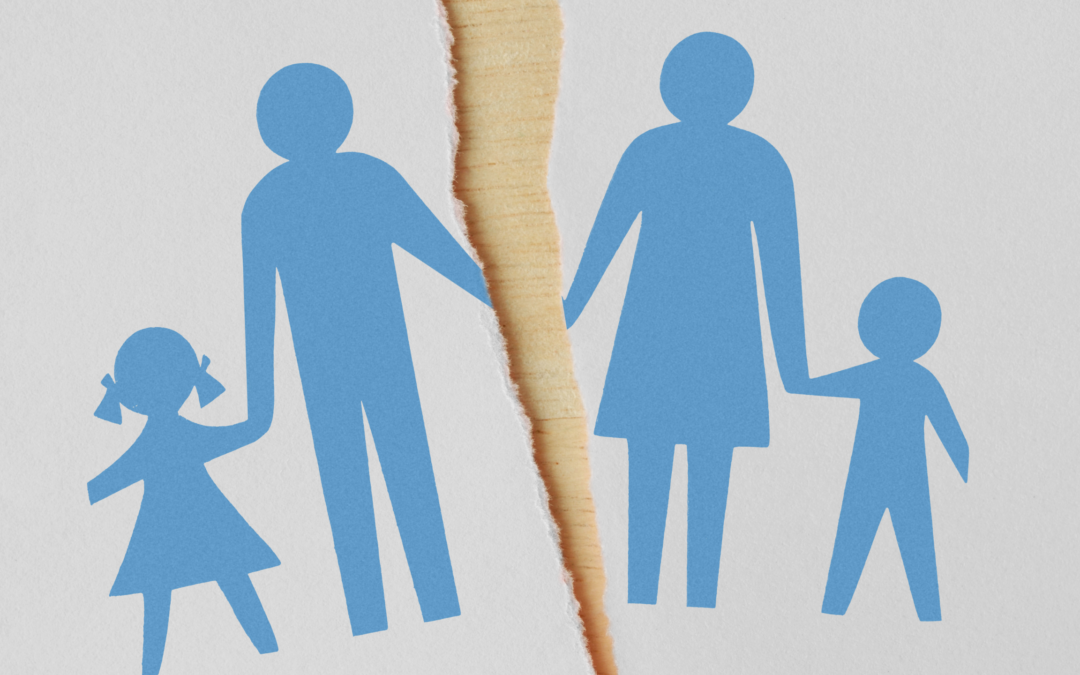
The Empty Chair: How to Get a Divorce When You Can’t Find Your Spouse
The law ensures that a missing spouse cannot prevent you from obtaining a divorce. If you have lost contact with your spouse, the legal system provides two primary mechanisms to move forward: Substituted Service and Edictal Citation. Here is how to navigate a divorce...

Hidden Cracks: What Happens When a Seller Fails to Disclose Property Defects?
Buying a home is often the most significant investment a South African will ever make. The excitement of receiving the keys can quickly turn into a nightmare, however, when the first summer rains reveal a leaking roof or a fresh coat of paint peels away to show...